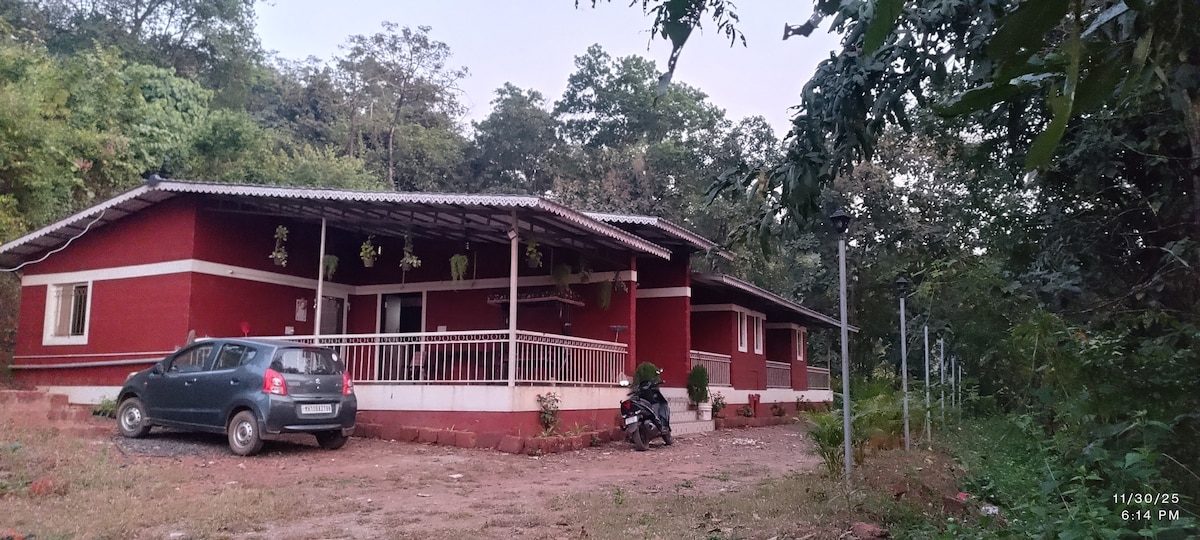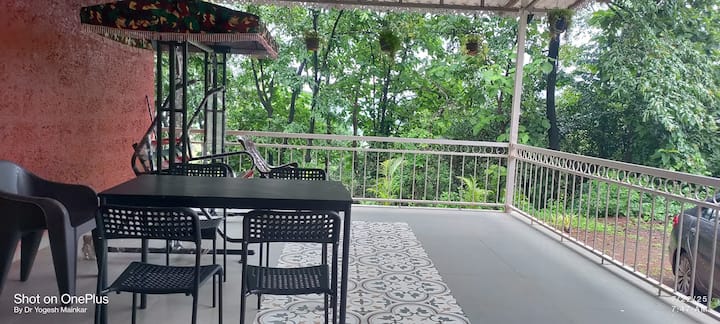
The brief was unusual: design a building that disappears. Not literally, but perceptually — architecture that defers to the landscape rather than competing with it. When guests remember their stay, we wanted them to recall the hillside, the sound of rain, the quality of light — not the building.
The architect spent three months on site before drawing a single line. She studied how light moved across the property at different times of year. Where the wind came from during monsoon. Which trees created natural canopies and which views were worth framing.
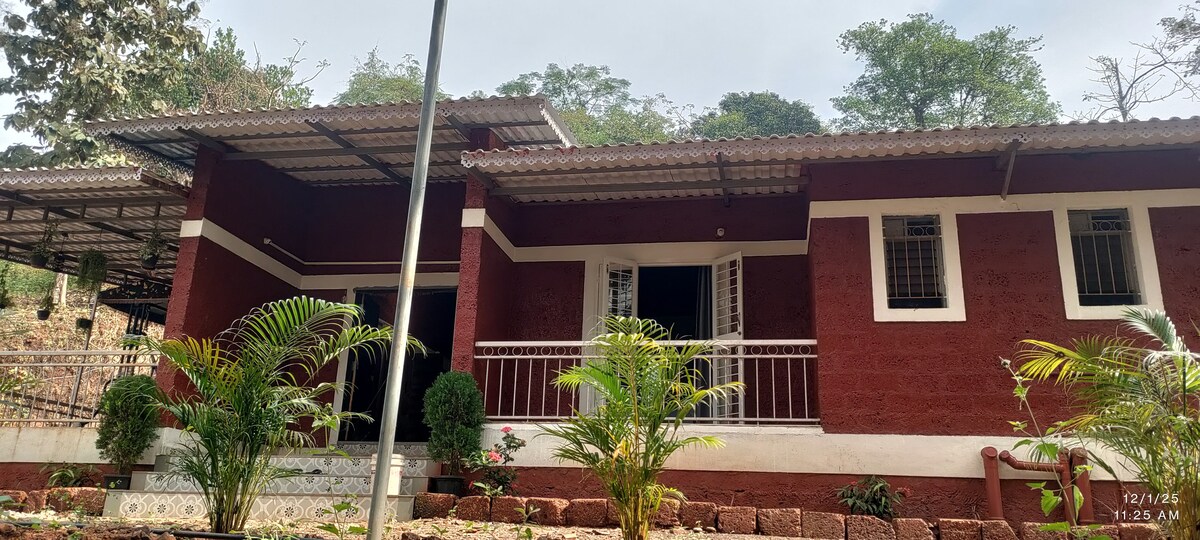
The result is a series of low structures that follow the natural contour of the hillside. No building rises above the tree line. Materials were sourced within a fifty-kilometer radius — laterite stone, reclaimed teak, terracotta tiles made by a local family who have been potting for generations.
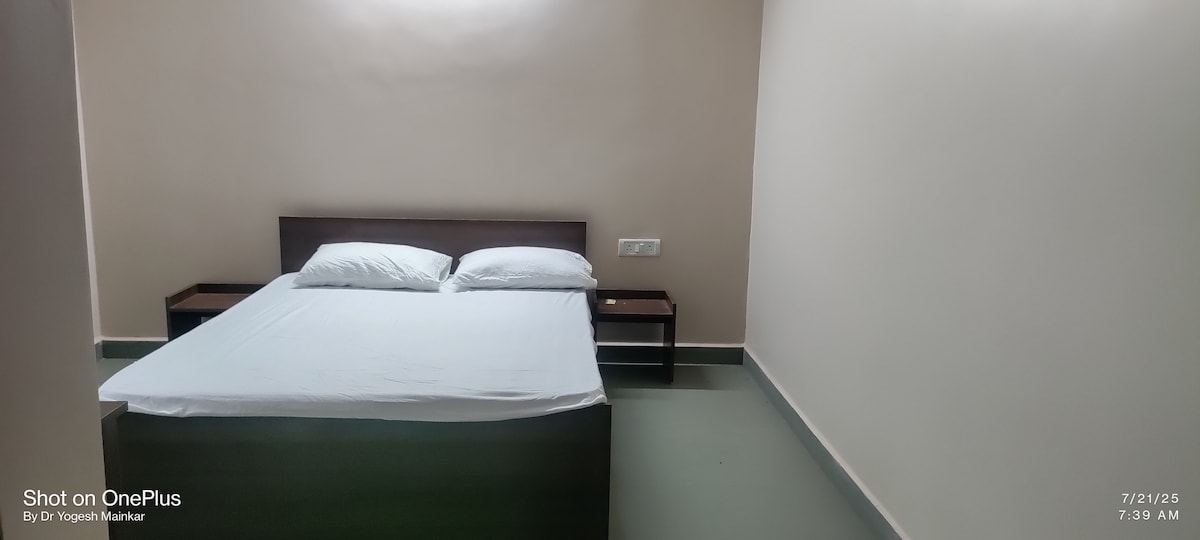
Inside, the spaces are deliberately spare. There's a Japanese concept called 'ma' — the meaningful use of negative space. Our rooms embody this. A bed, a reading chair, a writing desk. No television, no minibar, no unnecessary ornamentation. The view through the floor-to-ceiling glass is the decoration.
Sound was considered as carefully as sight. The walls are thick enough to absorb external noise, but the windows are designed to channel specific sounds inward — birdsong in the morning, crickets at night, rain on the roof during monsoon. The architecture doesn't just shelter you from nature; it curates your relationship with it.
Guests sometimes ask why the rooms feel so calm, and it's hard to point to any single feature. That's the point. Good design, like good hospitality, should be felt rather than noticed. The building does its job when you forget it's there.